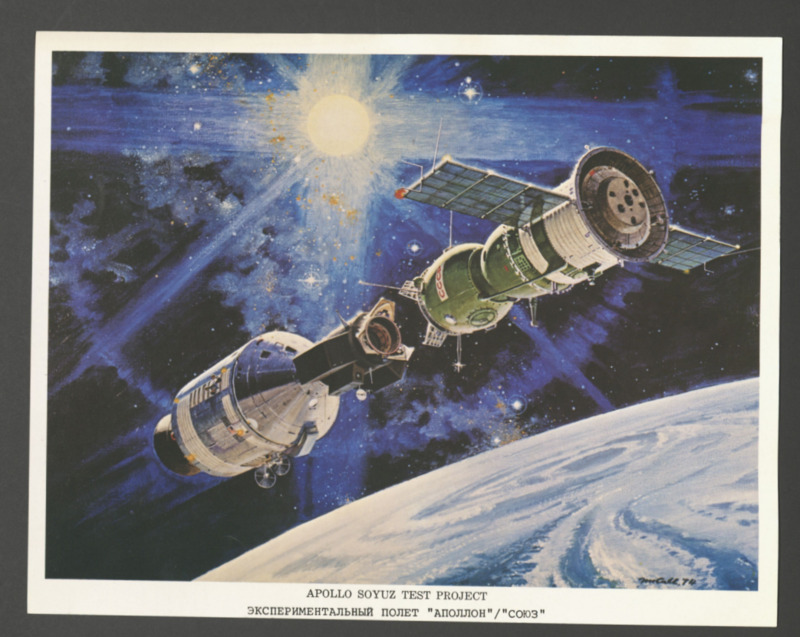
Apollo-Soyuz Test Project
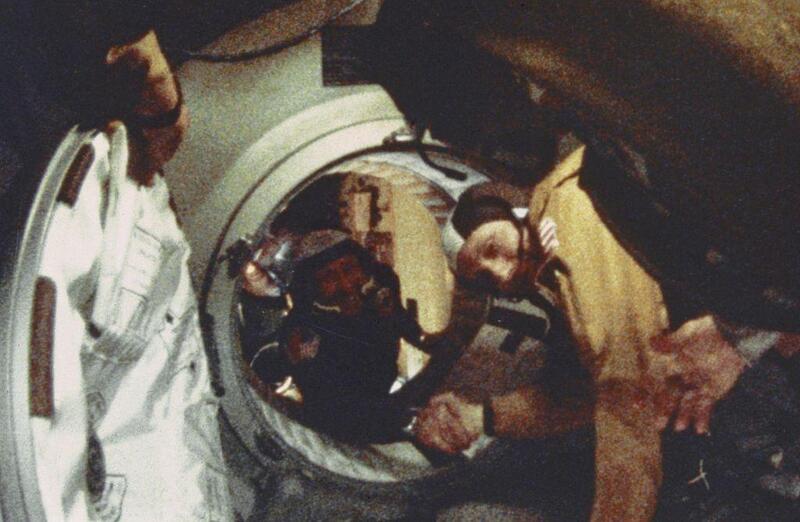
Emergence of International Cooperation
The Cold War was not only a rivalry governed by global power, but also a rivalry of
space exploration. As the two leading superpowers, the United States and the Soviet Union,
were plagued by competition, political tension, and ideological differences, the Apollo-Soyuz
Test Project emerged as a groundbreaking movement uniting the opposing nations and proving
that collaboration was possible. Not only did the ASTP represent a technological milestone in
space exploration for both nations, but it also embodied a path toward a dissolution in diplomatic
tension during this Cold War era. As a result of years of cautious and prudent negotiations and
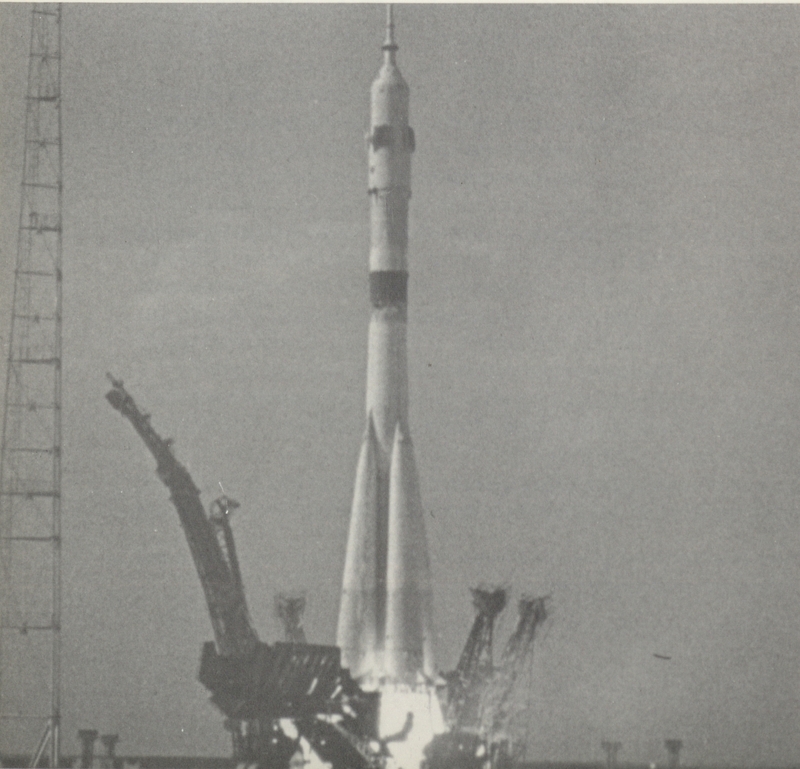
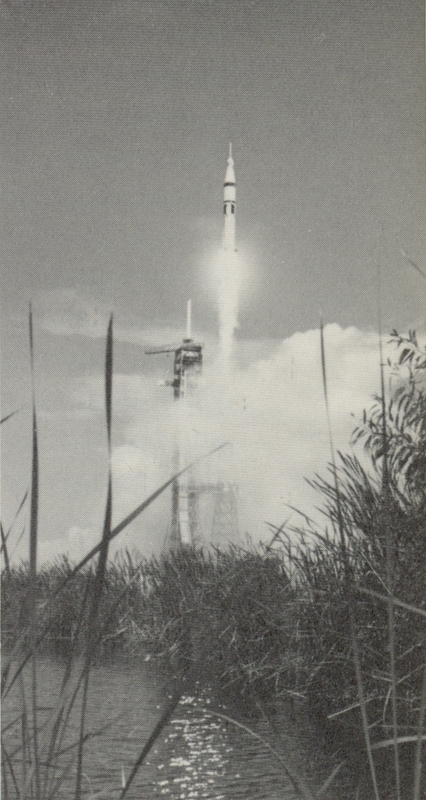
scientific conferences, the ASTP was the first joint international spaceflight mission, and it
portrayed a greater accomplishment than just advancement in space exploration. For the
mission to be a success, engineers, scientists, and astronauts/cosmonauts that had vast
differences and preferences concerning hardware design, procedures, and linguistics needed to
work together and overcome these differences. While these are only a broad overview of some
of the challenges the project faced, many more affected the program, including social distrust,
political tension, and technical struggles, but these challenges helped shape the legacy that
contributed to “The Handshake in Space”.
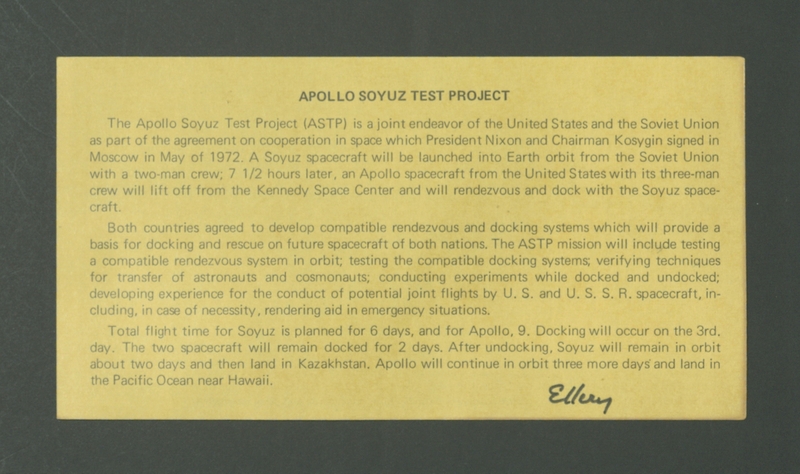
Hurdling the Language Barrier
While there are a multitude of social aspects that hindered the progress of the ASTP,
arguably the most obvious one was language barriers. In 1971, when both parties were
extensively working toward cooperation and the proposal of the program, it was admitted by
Robert R. Gilruth, a key contributor to the project and director of the Manned Spacecraft Center
in Houston, that the language barrier was a formidable one. Although a few of the Soviets were
able to speak and write in English, none of the Americans were able to reciprocate and had to
rely on interpreters, with a need for more interpreters in the future. Even with interpreters,
getting agreements on paper specifically was also a struggle, as each time an agreement was
met the Russian language unintentionally changed small things which made finalized
agreements take hours to correct. The issue continued with the working groups during the
preparation for the project, as work was tedious because the Russian language took twice as
long as English to say. Given how difficult it was considering the language barrier, it was
imperative for the astronauts and cosmonauts to learn the opposite language for cohesiveness
and benefit during the mission. The astronauts totaled a whopping three thousand hours of
studying the Russian language, with the cosmonauts totaling around the same if not higher (the
cosmonauts became much more fluent in English before the astronauts in Russian).
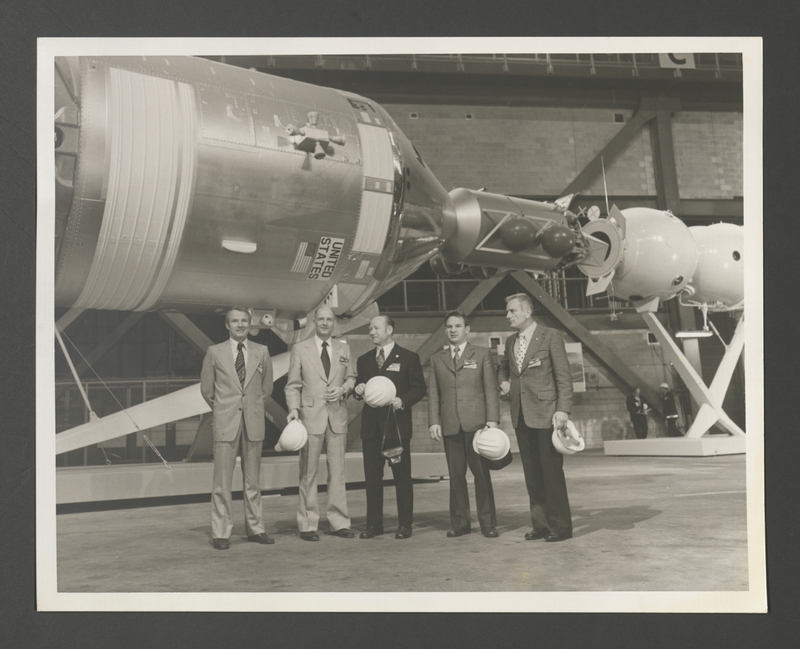
Ideological Struggles
Another social obstacle was the difference in culture between the two nations. Both were
ideologically opposite of each other, with the Soviet Union pushing a communist agenda and the
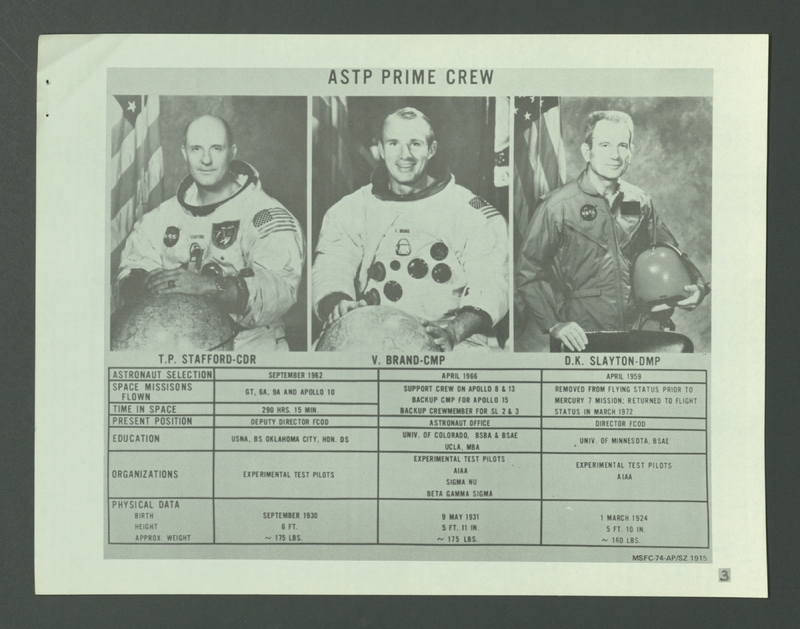
United States being a capitalist democracy. According to Vance D. Brand (the command module pilot for the Apollo craft), both parties were skeptical of the other during the beginning, as,
although only temporarily, each side viewed the other as more or less “monsters”. While it
was quite easy to get over the initial impression and begin to be friendly towards each other, the
behaviors each side had grown accustomed to caused unnecessary problems during
preparation for the program. During discussions for the safety of the astronauts and
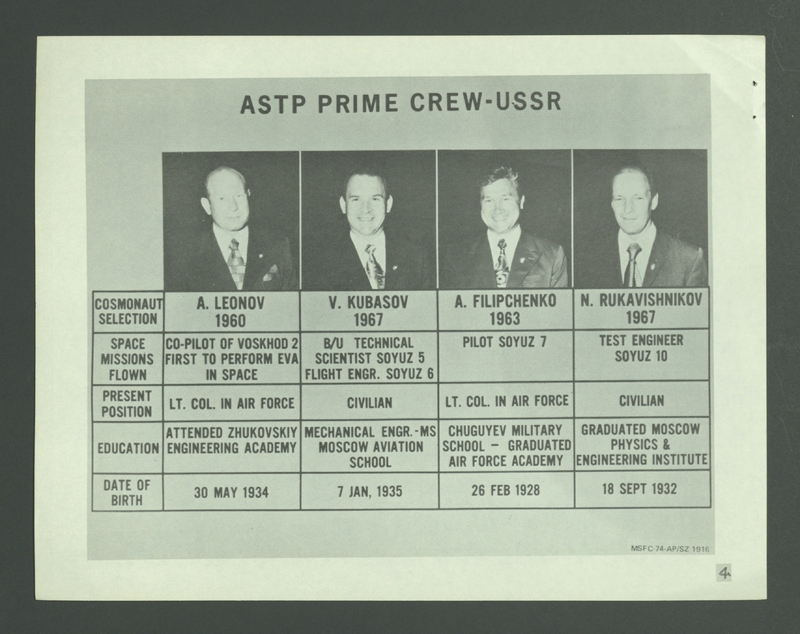
cosmonauts, the Soviets were reluctant to give a report on the tragedies of Salyut 1 and Soyuz
11. Whether it was because of pride or embarrassment, the Soviets eventually folded and
completed the report to prioritize the safety of the crews. However, this was not the only case of
the Soviets having a problem with time-oriented needs. They missed multiple pre-agreed
deadlines for delivering documents or meeting schedules, as well as delays in responses to
NASA. In addition to these complications, meetings were frequently postponed due to poor
communication and resulted in inefficiencies and slowed progress in preparation for the project.
Cold war and Political Agendas
Pushing aside the social struggles, another big obstacle the project needed to overcome
was the political friction surrounding the two nations and the thoughts of the joint mission.
Obviously, the main source of tension was from the Cold War. Although the scientists and space
programs were mostly cooperative and some could say friendly with each other, the military and
peoples of each nation were suspicious and weary of the thought of cooperating with the
“enemy”. There were multiple occasions where although one of the directors of the Soviet space
program wanted to cooperate, he could not do anything without approval from his superiors, and
this would usually take extended periods of time. The Soviet space program was deeply
shaped by Stalin’s rule, including secrecy and strict control of information. This caused major
issues for NASA’s cooperation, as they never knew when the Soviets were openly disclosing
everything they knew or if they were hiding information. On top of refusal to disclose information,
the Soviets were obsessed with appearing equal to or superior to the United States
technologically speaking. This feeling of a need for superiority added to the secrecy and led to
avoidance of discussing technical failures or possible malfunctions in the Soviet’s spacecraft
(such as earlier with the Salyut 1 and Soyuz 11).
Public Backlash
Some members of the public also openly disagreed with and criticized the project, still
believing each side were enemies and wary of the Cold War tensions. Multiple U.S.
representatives spoke out against the program for two main reasons: the program was aiding
Soviet propaganda and the Soviets faulty reputation of technology and inability to perform a
mission safely and effectively. On the Soviet side, the government carefully presented media
and messages concerning the project that specifically aligned with state interests, warping the
reality of the project for their national advantage. As the government was strict, public opinion
was suppressed with a sense of unease about cooperating with the United States. Each country
had a sort of innate drive to preserve their prestige while engaging in joint diplomacy during a
tense era. Despite a part of the public opposing the idea of a joint international mission, each
nation was open and friendly to the foreign members of the project during the visits, training
sessions, and conferences held in each country. The many doubts from the public hardly
affected the program and were just the opinions of those who feared the other as an enemy
instead of a partner. Through all the political strife during this period, the ASTP was able to calm
tensions between the two superpowers and symbolized a willingness to ignore differences and
work together for the betterment and advancement of mankind.
Creation of a New Docking System
However, these advancements did not come easily, as arguably the biggest technological
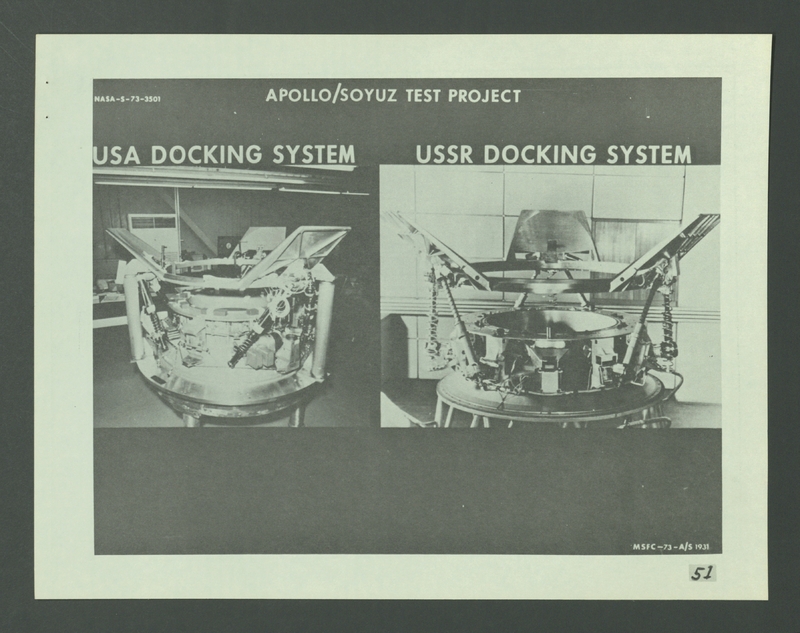
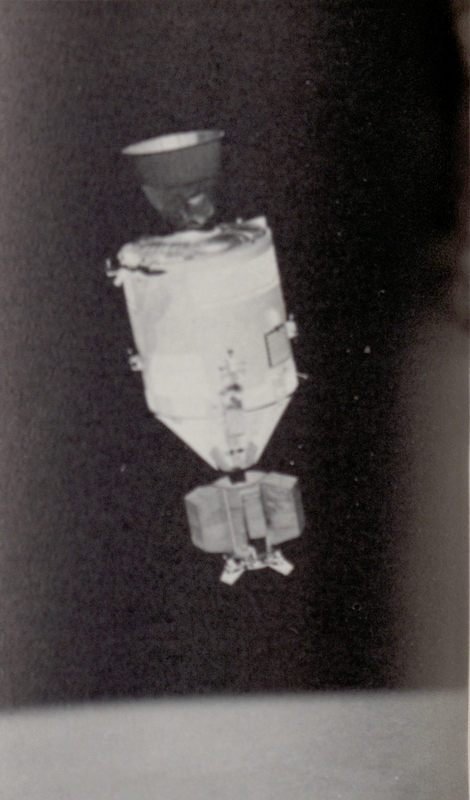
obstacle during the program was creating a docking system for both spacecraft. The Apollo
crafts used a probe-and-drogue system (probe is “male” while drogue is “female”) while the
Soyuz crafts used multitudes of dockiing systems, including probe-and-drogue and a soft-docking system. Since both nations used completely different docking
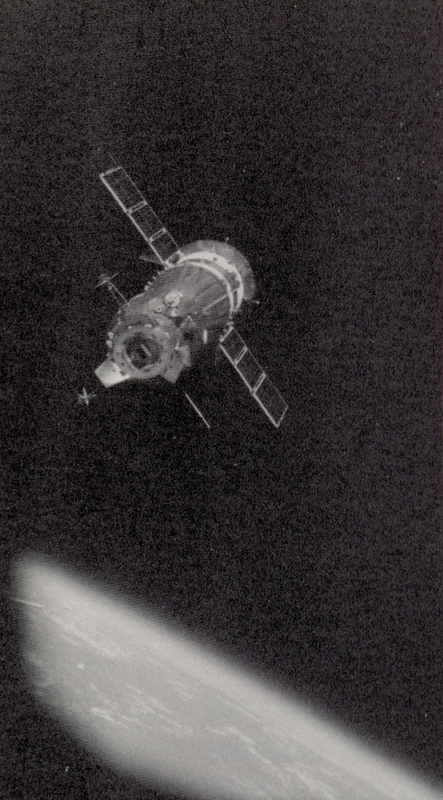
systems, there was a need to develop a new system: the Adrogynous Peripheral Attach System
(APAS). The APAS was a unique flexible docking system that made it possible for spacecraft
from different countries with different designs to effectively and safely connect. The main
problems to overcome in creating this new docking system were the differences in diameter,
pressure (Apollo used pure oxygen while Soyuz had a mixture of gases), and alignment of the
two spacecraft. This new docking system was created in a way that either spacecraft could initiate or receive docking, making it have a much more cooperative appeal. The system also
had latching rings which could compress and align when the two-spacecraft approached for
docking. Since the docking was dependent on the docking pilot’s skill, a set of guiding fingers
and shock absorbers were added to help cushion contact and ensure correct alignment to help
prevent any accidents. Once the spacecraft were docked, a pressurized tunnel was formed
creating equalized air pressure and composition between the two crafts for safe crew transfer
and if there was an emergency, the docking system could safely disconnect.
Sneak Circuit Analysis
Besides the big challenge in the docking systems, another critical but less visible
challenge included ensuring the safety and reliability of the electrical systems in both spacecraft.
This was ensured through the analysis of sneak circuits, which are unintended pathways in
electrical systems that can create unexpected hazards even if there are no malfunctions.
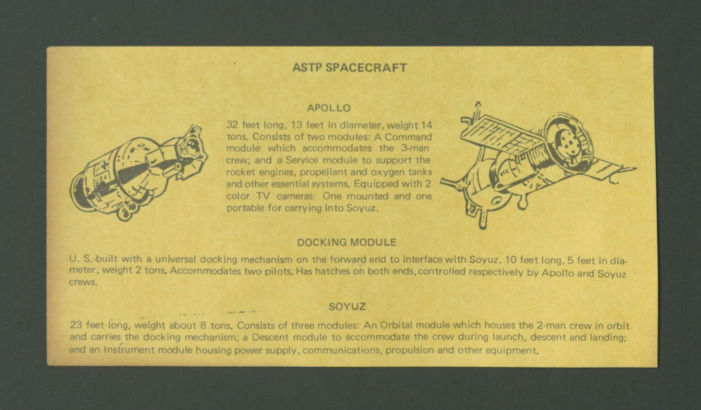
Since the core of ASTP was connecting two fundamentally different spacecraft, each with their
own engineering, voltages, protocols, and safety measures, it was vital to guarantee that no
hidden hazards would surface once the two differing systems were integrated. The final report of
the sneak circuit analysis covered both manual and automated techniques to trace both power
and signal flows across the Apollo and Soyuz crafts and the docking module. An example of
an unexpected hazard that could have been caused by the sneak circuits is if certain circuits
unintentionally allowed currents to flow in reverse or bypass safety relays, which could endanger
the crew and potentially sabotage operations. The tragedy of the Soyuz 11 could be used as an
example as to why these exhaustive safety reviews (both mechanical and electrical) are so
important in ensuring the safety of the crew. Although the analysis may not be as visibly
appealing as creating a new docking system, the work was essential for the safety of the men
partaking in the international mission.
Foundation for Future Cooperation and Exploration
When the project was successfully completed, not only did it accomplish scientific and
technological feats, but it broke boundaries that before seemed impossible. It represented the
first manned joint space operation not just between two nations, but between two nations who
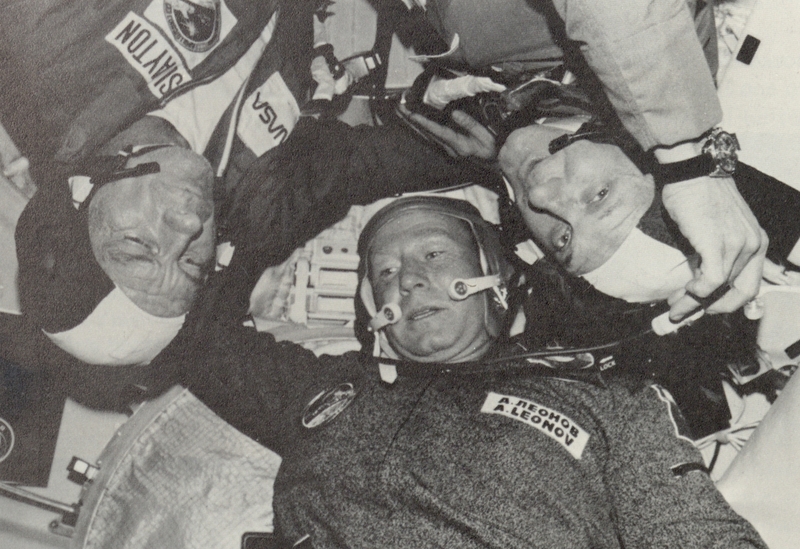
were against each other in almost every way. A simple gesture, the “handshake in space”,
became a symbol of the collaboration of two superpowers, and ultimately as simple as two
friends. Alexey Leonov and Tom Stafford, who made the handshake in space, became as close
as brothers afterwards, highlighting that barriers could be overcome. Politically, the project
faced both internal and external criticism, cultural differences, and trust between the two nations.
Technologically, it demanded a completely new system for docking modules, rigorous safety
checks for both mechanical and electrical features, and the knowledge of both types of
spacecraft. By overcoming these struggles, ASTP not only linked two different spacecraft, it also
linked two different worldviews and proved that the race for space should be for mankind, not
against each other. ASTP formed a legacy for international space cooperation and portrayed
that shared goals can thrive even amidst times of conflict and division.
Acknowledgements
All RCEU projects were sponsored in part by the Alabama Space Grant Consortium, the UAH Offices of the Provost and the Vice President for Research and Economic Development, and the colleges of Engineering; Science; Arts, Humanities, and Social Sciences; Education; Business; and Nursing. I would like to personally thank Reagan Grimsley, Charlie Gibbons, Drew Adan, and James Williamson from UAH Archives and Special Collections for their aid and support during this project.
Bibliography
Apollo11Space. “The Apollo-Soyuz Test Project.” Apollo11Space, 11 May 2024,
apollo11space.com/the-apollo-soyuz-test-project/.
Boeing Company, et al. “Apollo Soyuz Test Project Sneak Circuit Analysis” Revised Final
Report. 1975. John P. Rankin Collection. The University of Alabama in Huntsville, JSTOR,
https://jstor.org/stable/community.39987794.
El-Baz, Farouk. Astronaut Observations from the Apollo-Soyuz Mission. Smithsonian
Institution Press : For Sale by the Supt. of Docs., U.S. Govt. Print. Off, 1977.
Ezell, Edward Clinton, and Linda Neuman Ezell. The Partnership: A History of the Apollo-
Soyuz Test Project. NASA, 1978.
Howell, Elizabeth. “Apollo-Soyuz Test Project: Russians, Americans Meet in Space.”
Space, 25 Apr. 2013, www.space.com/20833-apollo-soyuz.html.
Sagdeev, Roald Z., and Susan Eisenhower. The Making of a Soviet Scientist: My
Adventures in Nuclear Fusion and Space from Stalin to Star Wars. John Wiley & Sons, 1994.
Slipke, Darla. “‘Handshake in Space.’” The Oklahoman, Oklahoman, 12 June 2015,
www.oklahoman.com/story/news/2015/06/11/handshake-in-space/60740925007/.
United States. National Aeronautics and Space Administration, et al. “Apollo-Soyuz Test
Project Preliminary Science Report.” 1976. Apollo-Soyuz Collection. The University of Alabama in Huntsville, JSTOR, https://jstor.org/stable/community.39943554.
Volf, Darina. “The Thorny Road to a Handshake: The Apollo-Soyuz Test Project as a
Challenge to the US and Soviet Space Programs.” Kritika: Explorations in Russian
and Eurasian History, Slavica Publishers, 9 Mar. 2025, muse.jhu.edu/article/953437.