
Browse Items (456 total)
Sort by:
-
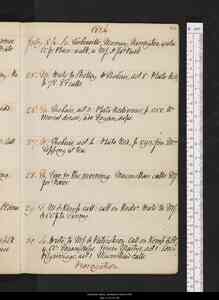
William Godwin's diary, 24-30 July 1814
Photograph of William Godwin's diary from 24-30 July 1814. The entry for the 28th reads "Five in the morning. Macmillan calls. M. J. to Dover" -
-
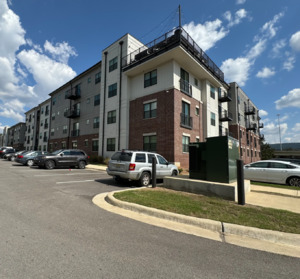
The Lofts at Dallas Mills, Huntsville AL.
A photo of the Lofts apartment complex at Dallas mills. Occupies the space formerly taken by the Dallas Mill textile factory. -
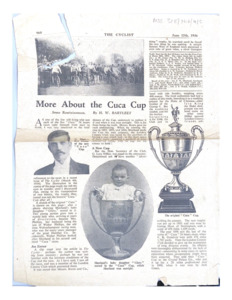
More About the Cuca Cup
This is an article about the Cuca Cocoa Challenge Cup over 40 years after the event took place and specifically discusses the second cup and the challenges that led the demise of the Cuca Cocoa Challenge series. -
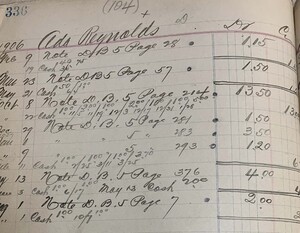
Ada Reynolds customer account page, 1906-1907.
This is an image of Ada Reynolds' customer account page from a Harrison Brothers Hardware customer account ledger located in the Huntsville-Madison County Public Library Special Collections. Transactions and payments on this page date from February 9, 1906, to August 1, 1907. This ledger references Daily Accounts Book 5 in the Harrison Brothers Hardware Collection at the University of Alabama in Huntsville Archives and Special Collections. The letter 'D', written in pencil above Ada Reynolds' name, indicates that Ada Reynolds was from Dallas Mills, Alabama. -
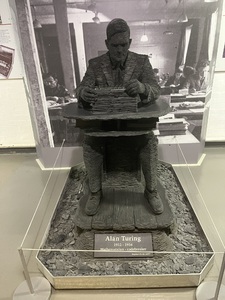
Statue of Alan Turing at Bletchley Park
A slate statue of Alan Turing, located at Bletchley Park, Milton Keynes, Buckinghamshire. Depicts Alan Turing hunched over an Enigma machine. -
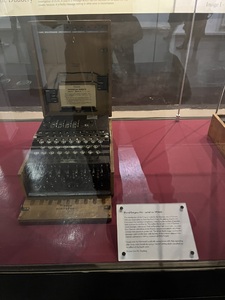
Naval Enigma machine
A four-rotor naval Enigma machine, of the kind Alan Turing worked to codebreak, currently held at Bletchley Park. -
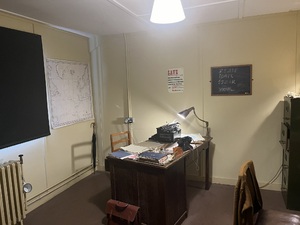
Alan Turing's office
Alan Turing's office at Hut 8, Bletchley Park. Depicts his desk, various wall decorations, and a filing cabinet. -
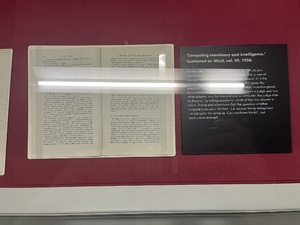
Computing Machinery and Intelligence
A portion of the text of "Computing machinery and intelligence" by Alan Turing, which posed the question "can machines think" and proposed the Turing test. -
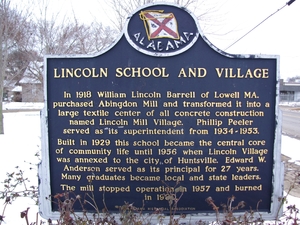
Lincoln School and Village historical marker.
The inscription of the Lincoln School and Village marker reads:
In 1918 William Lincoln Barrell of Lowell MA. purchased Abingdon Mill and transformed it into a large textile center of all concrete construction named Lincoln Mill Village. Phillip Peeler served as its superintendent from 1934-1953.
Built in 1929 this school became the central core of community life until 1956 when Lincoln Village was annexed into the city of Huntsville. Edward W. Anderson served as its principal for 27 years. Many graduates became local and state leaders.
The mill stopped operation in 1957 and burned in 1980.
The historical marker was erected by the Alabama Historical Association in 1985. -
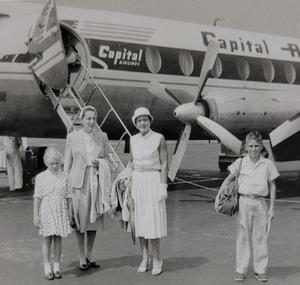
Ruth Heimburg with her children Ruth Marie and Klaus circa 1959.
Ruth and her two older children traveling. Location and destination unknown; either going to or from German and Huntsville, Alabama. -
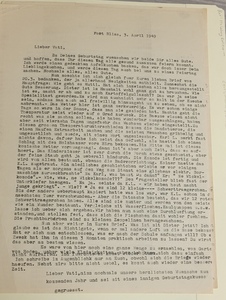
Typed letter in Deutsch from Ruth Heimburg to her Father, April 1949.
This image is of a type-written letter by Ruth Heimburg in Deutsch. Sent from Ft. Bliss, Texas to her Father in Germany. Notably, Ruth asks her Father if her younger brother Dieter has been cooking his potato goulash as that is his "specialty." -
-
-
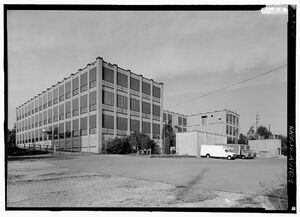
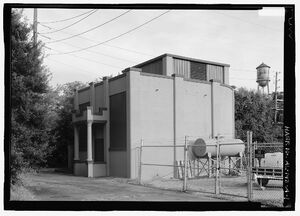
Lincoln Mill, Abington Avenue, Huntsville, Madison County, AL
View looking east of Lincoln Mill (originally Mill No. 3 of a larger complex that no longer stands). Built 1927 - Lincoln Mill, Abington Avenue, Huntsville, Madison County, AL -
-
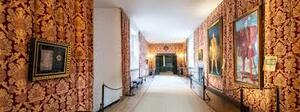
Hampton Court Palace Haunted Gallery
A gallery lined with 16th century paintings, including portraits of Tudor monarchs. Legend has it that when Queen Katherine Howard discovered she was being charged with adultery, she broke free from her guards stationed outside her room and ran along this route in the hope of finding King Henry in the Chapel to plead her innocence to. It is said that her ghost can still be seen running through this "Haunted Gallery," wailing for mercy. -
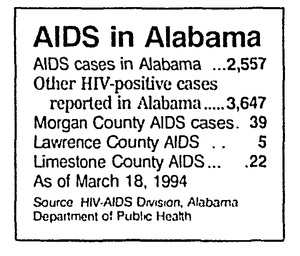
AIDS in Alabama in the Decatur Daily
A chart from a digitization of the Decatur Daily Newspaper showing the current number of AIDS cases in Aalabama in 1994. -
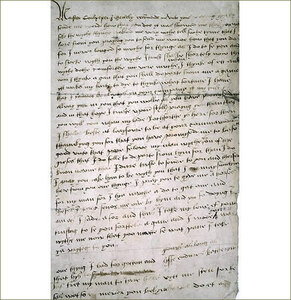
Katherine Howard's letter to Thomas Culpeper
This is the only surviving letter written by Katherine Howard. It is addressed to Thomas Culpeper, whom she was accused of having an affair with. The letter can be interpreted in many different ways, from evidence of the affair to the possibility of Katherine being blackmailed.