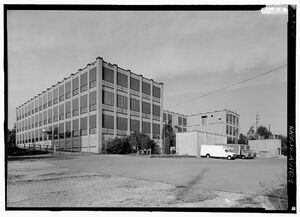
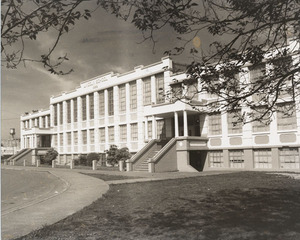
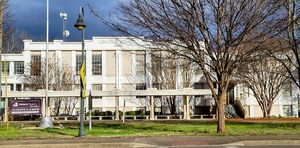
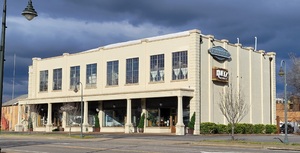
View looking east of Lincoln Mill (originally Mill No. 3 of a larger complex that no longer stands). Built 1927 - Lincoln Mill, Abington Avenue, Huntsville, Madison County, AL
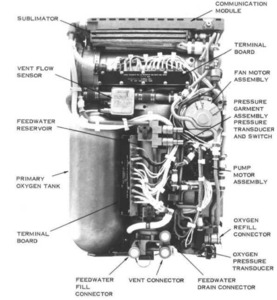
Sectional Diagram of the Apollo Personal Life Support System. This was the system responsible for maintaining safe atmospheric systems inside of the Apollo Space Suit
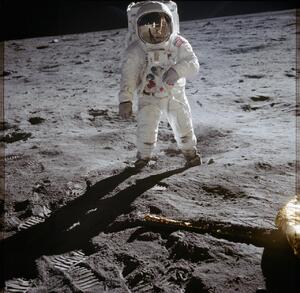
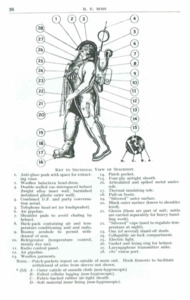
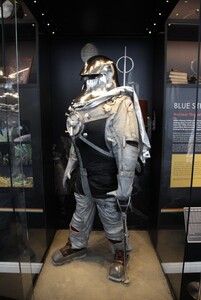
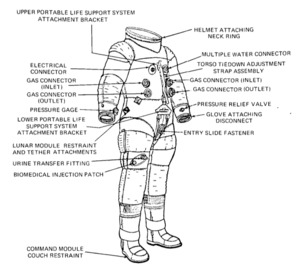
Image of the Torso Limb Suit Assembly as it would have been used during an Extra Vehicular Assembly. This along with the gloves and visor comprised the pressure garment assembly.
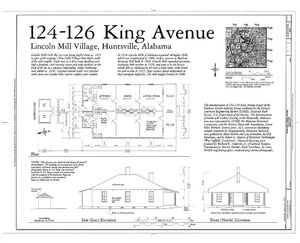
Significance: Lincoln Mills built this six-room frame duplex home ca. 1925 as part of the company's New South Village three blocks south of the mill complex. Each room in a three-room dwelling unit had a fireplace, with running water and toilet facilities at the back of the lot in a separate outbuilding. Indoor bathrooms were added ca. 1950. Original exterior walls were finished with stucco over wooden lath; interior surfaces were wooden. In 1918 Lincoln Mills of Alabama succeeded Abingdon Mills, which was incorporated in 1906, itself a successor to Madison Spinning Mill built in 1900. Lincoln Mill expanded operations, employing 600 workers in 1920, and grew to be the largest textile mill in Alabama by the time a bitter labor strike forced the mill to close in 1955. Most workers found employment in local aerospace industries. The mill complex burned in 1980.
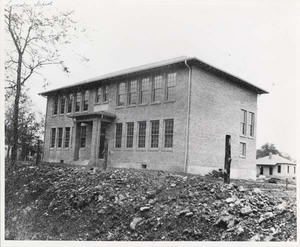
The Lincoln School, prior to its demolition in 1929, was built to educate the children of the mill workers at Mill No. 3. The building was demolished so that a new, larger school could be constructed.
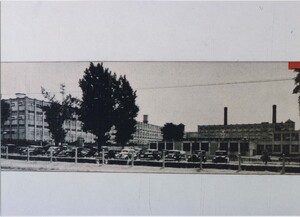
A photograph of Lincoln Mill in Huntsville, Alabama, from the 1930s. The original Mill No. 3 and the dye house can be seen behind the row of mill workers' cars.
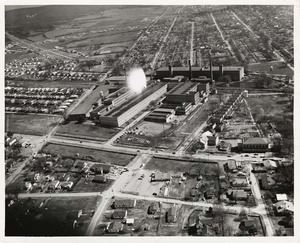
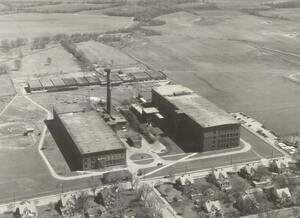
An aerial view photograph of phase 2 Merrimack Mill, showcasing the addition of the second mill building and the few houses of the mill village that were right in front of the mill.