
Browse Items (456 total)
Sort by:
-
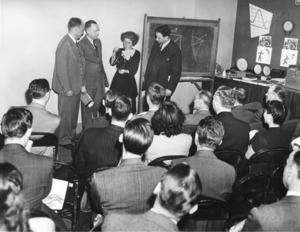
Martin Buerger, Harold Wyckoff, and Kathleen Lonsdale
Left to right, standing: Martin Buerger, Harold Wyckoff, and Dame Kathleen Lonsdale lecturing to a class in front of a blackboard. -
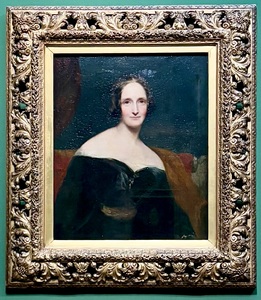
Mary Shelley
Portrait of Mary Shelley, oil on canvas, c. 1831-1840. -

Mary Shelley - Journal of Sorrow (Audio)
"In the months immediately following Shelley's death Mary lived at Albaro on the outskirts of Genoa. Her only regular companions were her young son, Percy Florence, and the journal she began on 2 October 1822.
To this 'Journal of Sorrow' she confided her innermost thoughts: 'White paper - wilt thou be my confident? I will trust thee fully, for none shall see what I write.' To be sure, Mary would not have shared the entries she wrote immediately after Shelley's death, in which her remorse and despair sometimes approached hysteria. But she left no instructions for the 'Journal of Sorrow' to be destroyed after her death, and was perhaps reconciled to the idea that this, and her other journals, would eventually be seen by other eyes." -
Mary Shelley - Letter to Percy Bysshe Shelley (Audio)
"Shelley was now financially responsible for Mary and Claire as well as Harriet, who was heavily pregnant with their second child. Godwin refused to see him, but drew on his resources. Mary wrote this impassioned letter to Shelley when he was in hiding from his numerous creditors. They could meet only on Sundays, when it was illegal to make arrests for debt."
-
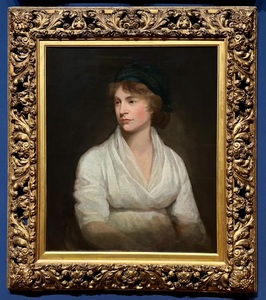
Mary Wollstonecraft
Portrait of Mary Wollstonecraft by John Opie, oil on canvas, c. 1797. -
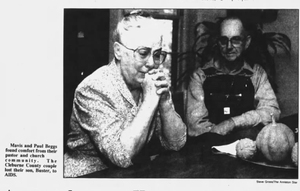
Mavis and Paul Biggs Found Comfort - Anniston Star
A clipping of a newspaper scan of the October 11, 1992 edition of the Anniston Star, with a picture of Mavis and Paul Biggs in their home in Trickem, Alabama. -
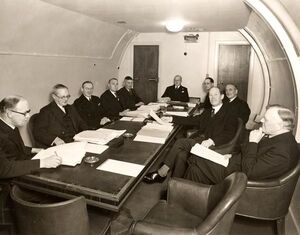
Meeting of the LT Executive in a room in the disused Down Street Underground station
Meeting of the LT Executive in a room in the disused Down Street Underground station. Frank Pick sits nearest to camera on right. -
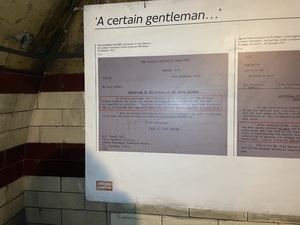
Memorandum from REC Secretary, G Cole Deacon, to London Transport's Chief Engineer, Mr. Green
Letter describes a need for immediate use of Down Street Station as directed by "a certain gentleman" (known to be Winston Churchill) as a wartime shelter. -
-
-
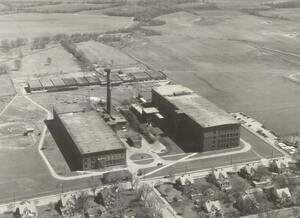
Merrimack Mill, Aerial View
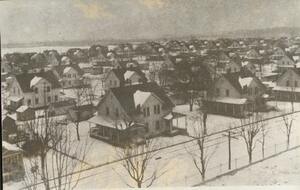
An aerial view photograph of phase 2 Merrimack Mill, showcasing the addition of the second mill building and the few houses of the mill village that were right in front of the mill. -
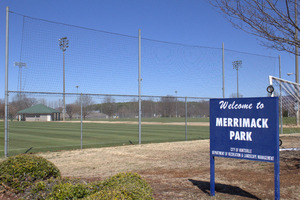
Merrimack Soccer Park, Formerly Merrimack Mill
A modern-day photo of the Merrimack Park Complex -
-
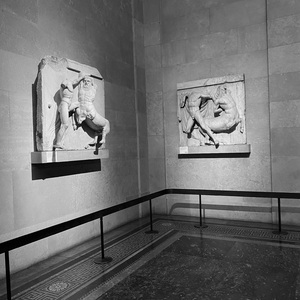
Metopes from the Parthenon
The British Museum currently has fifteen of the ninety-two the original Parthenon metopes within their permanent collection. The metopes, which decorated the exterior of the temple, just above the exterior colonnade depicted a mythological battle between the Lapiths and the centaurs. Many of the metopes are missing hands, feet, knees, arms, and legs. -
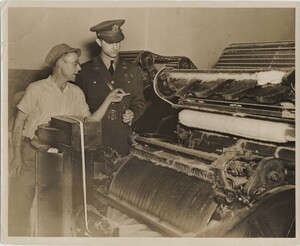
Military Tours Lincoln Mill, circa 1940s
A US Army officer receives a tour of the Lincoln Mill, c. 1940s. A mill worker demonstrates how the equipment is used during his visit. -
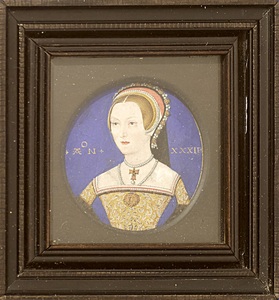
Miniature of Katherine Parr
Miniature portrait of Katherine Parr -
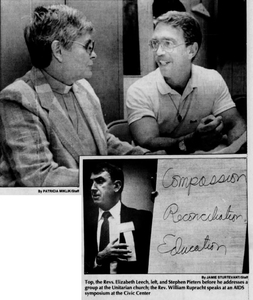
Montgomery Advertiser Photographs of AIDS Outreach
A clipping of the digitization of the October 21, 1989 edition of the Montgomery Advertiser's Religion Section that has a photograph of AIDS outreach attempts by churches. The top photo is of Revs. Elizabeth Leech (left) and Stephen Pieters. The bottom photo is of Rev. William Rupracht. -
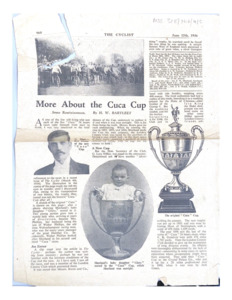
More About the Cuca Cup
This is an article about the Cuca Cocoa Challenge Cup over 40 years after the event took place and specifically discusses the second cup and the challenges that led the demise of the Cuca Cocoa Challenge series. -
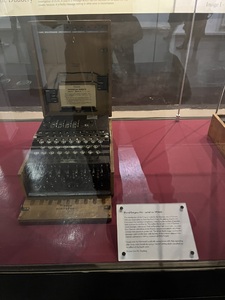
Naval Enigma machine
A four-rotor naval Enigma machine, of the kind Alan Turing worked to codebreak, currently held at Bletchley Park. -
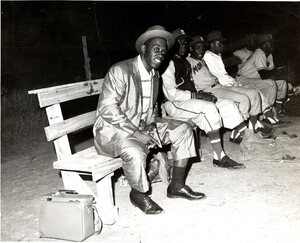
Negro League Baseball Players Ted Rasberry, Sam Allen, and Eugene Scruggs
The All-Star Negro League played exhibition games at Dallas (Optimist) Park throughout the early to mid-20th century. Since African Americans were not allowed to join the Major Leagues, many of them played for the Negro League.