
Browse Items (226 total)
Sort by:
-
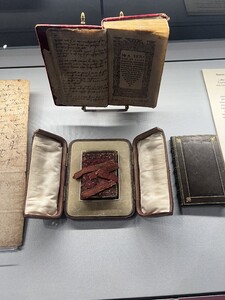
Prayers and Meditations Full Book
Prayers and Meditations which was published on July 8th, 1545 by Katherine Parr. Although this was the second book published by the queen, this is the first she published under her own name. This is also the first book published by an English woman under her own name. -
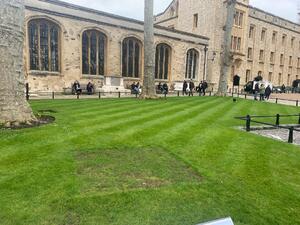
Tower of London tower green.
A field within the Tower of London. This is where nobility were executed, away from the traditional crowds. Katherine Howard was one of three queens beheaded here. -
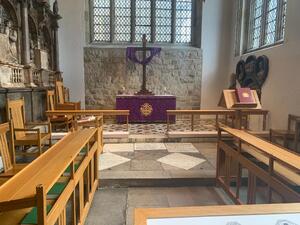
The Chapel of St Peter ad Vincula
A chapel within the Tower of London. This is where the most famous prisoners of the tower were buried after their executions. Katherine Howard was one of three queens buried here. -
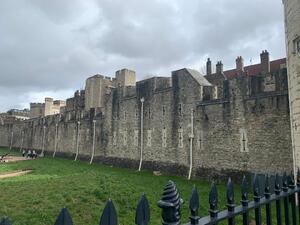
Tower of London
The Tower of London has served many purposes throughout its lifetime, from being a fortress, a prison, and even a zoo. During its prison phase, the Tower of London held many high-profile prisoners before they were eventually executed. Katherine Howard was one of three queens held and subsequently executed here. -
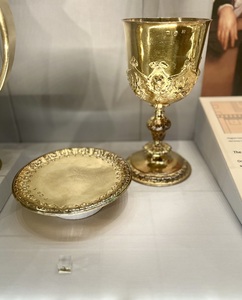
Paten and Chalice.
This paten and chalice were created for St. James Picadilly in 1683. It was designed to complement Sir Christopher Wren's, the architect of the church, rich interior. -
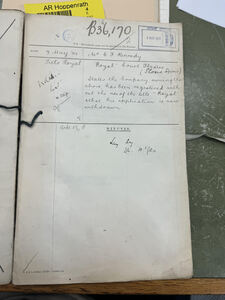
Withdraw of application of the The Court Theatre to include the word "Royal"
Application to the London Home Office for official use of the word "royal" in their name is withdrawn. -
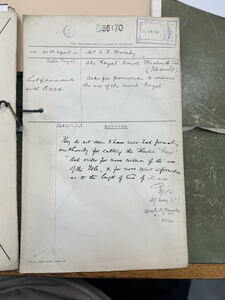
Application for the use of the word "Royal"
First application to the London Home Office to use the word "Royal" in their name -
Some account of life in Holloway Prison for Women booklet cover
The cover of a small booklet which contains records of life in Holloway Prison for Women. It is chiefly authored by Kathleen Lonsdale. Lonsdale was a chemist and prison reform activist. -
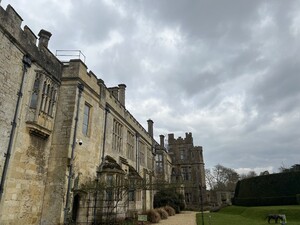
Sudeley Castle Exterior
The exterior of Sudeley Castle, where Katherine Parr lived and died. -
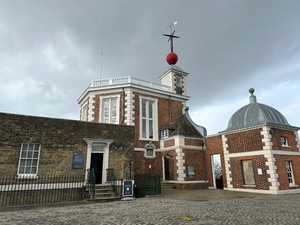
Flamsteed House, London 2024
The Flamsteed House, where the Royal Astronomers stayed with their families. The first astronomer and family to live there was the John Flamsteed with his family. This house was built in 1676, however the picture was taken March 15th, 2024. -
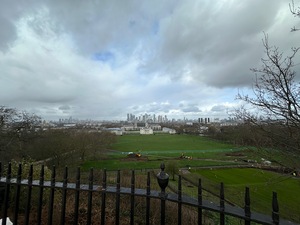
View of Queen's House and River Thames, March 2024
This is the physical imagery captured by the Camera Obscura at the Flamsteed House in March 2024 -
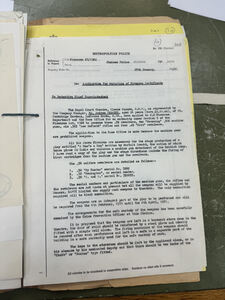
Denial of Firearms Certificate for Use on Stage
Detective Inspector P. Griggs makes a report denying a firearms certificate application on the notions of a prop not being made first, and previous unsafe behaviors with live firearms on the Theatre's property. -
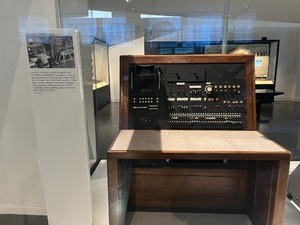
Pilot Automatic Computing Engine (ACE)
The Pilot Automatic Computing Engine, designed by Alan Turing, held in the Science Museum, London. -
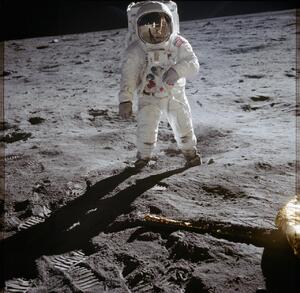
Astronaut Edwin Aldrin walks on lunar surface near leg of Lunar Module
Edwin Aldrin walks on the surface of the moon during an Extra Vehicular Activity on Apollo 11. Photograph taken by Neil Armstrong -
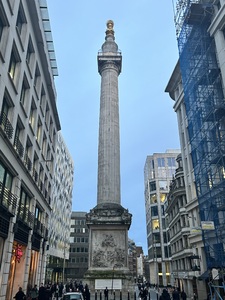
London Fire Monument.
To memorialize the Great London Fire of 1666, Sir Christopher Wren helped Robert Hooke build this monument near the London Bridge. -
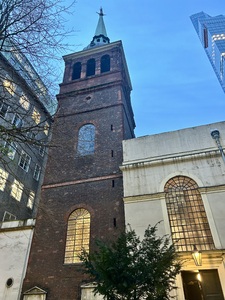
St. Peter's Cornhill.
A picture of St. Peter's Cornhill, a church that Sir Christopher Wren built after the London fire in 1666. -
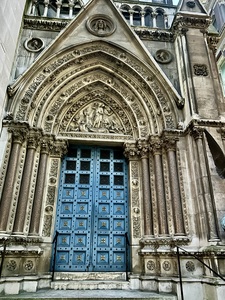
St. Michael Cornhill.
St. Michael Cornhill is a church that stands on one of the oldest Christian sites in Britian, dating back to Roman occupation. It was rebuilt by Sir Christopher Wren in 1672 after the London Fire in 1666. The tower was built by Nicholas Hawksmoor in 1722. It was later restored by Sir George Gilbert Scott in 1860. -
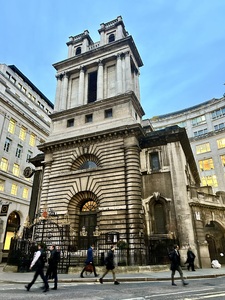
St. Mary Woolnoth.
St. Mary Woolnoth is one of the churches rebuilt after the London Fire. It had partly survived the fire but after considerable repairs in 1670, it was determined that it needed to be rebuilt in the 18th century. While this one is traditionally credited to Hawksmoor, it was rebuilt by the Commision that rebuilt about 50 churches in London, which Sir Christopher Wren is usually credited. -
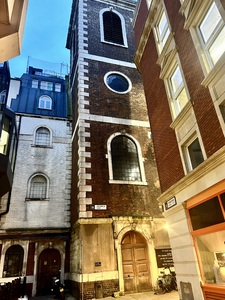
St. Mary Abchurch.
St. Mary Abchurch is one of the churches rebuilt after the London Fire in 1666, traditionally credited to Sir Christopher Wren. It is also the home of the friends of the city churches. -
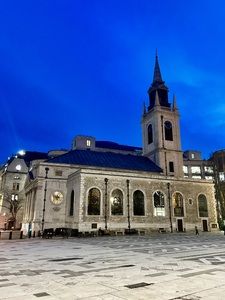
St. Lawrence Jewry.
St. Lawrence Jewry is a church dating back to the 12th century in London. It was destroyed by the London Fire in 1666 and was rebuilt by Sir Christopher Wren. It was destroyed by fire in December 1940 during World War II. It was restored in 1937, keeping with Wren's designs. It was repaired and conserved in 2023.