
Browse Items (17 total)
Sort by:
-
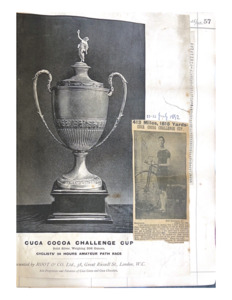
First Cuca Cocoa Challenge Cup Scrapbook Page
This source is a page from the source scrapbook this project used but shows a photograph of the Cuca Cocoa Challenge Cup with brief description. Also on this page is a print source with a statement from Shorland describing how he used Cuca Cocoa and enjoys the chocolate they make. -
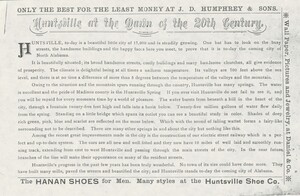
Huntsville Postal and Souvenir Guide Page, 1901
This is the title page for a 1901 promotional booklet for the city of Huntsville and local businesses. The title of the booklet is "Huntsville at the Dawn of the 20th Century" and presents Huntsville as a progressive town with great business potential. -
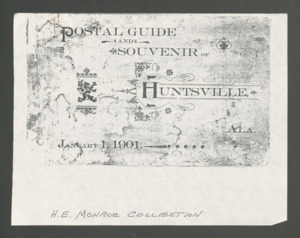
Huntsville Postal Guide and Souvenir Booklet, 1901
This booklet was likely created by the Huntsville Chamber of Commerce to promote the city of Huntsville at the beginning of the twentieth century. The descriptions of Huntsville present the city as progressive, beautiful, and actively growing in population and industry. Advertisements for local businesses are also promoted throughout the booklet. This booklet was distributed nationwide to attract more investment in the city of Huntsville. -
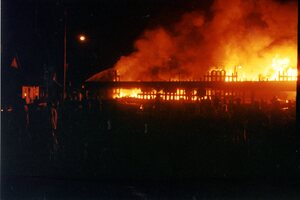
Dallas Mill Burning
Dallas Mill was set on fire on July 24, 1991 by a serial arsonist. This is an image of the burning, with people in Huntsville watching in the middle of the night. -
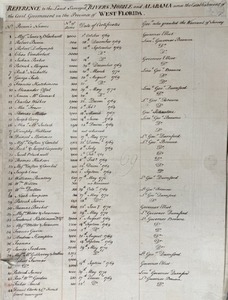
A Photo of Reference to the Land Surveyed on the Rivers Mobile and Alabama since the Establishment of the Civil Government in the Province of West Florida
A Photo of Reference to the Land Surveyed on the Rivers Mobile and Alabama since the Establishment of the Civil Government in the Province of West Florida. -
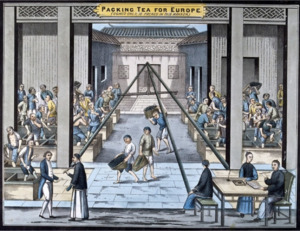
A tea plantation in China: workers tread down congou tea into chests
This early 19th-century coloured lithograph, titled A tea plantation in China: workers tread down congou tea into chests, portrays laborers preparing tea for export in a vivid and detailed scene. The anonymous artwork reflects the global demand for Chinese tea and the intensive manual labor behind its production during the height of international trade. -
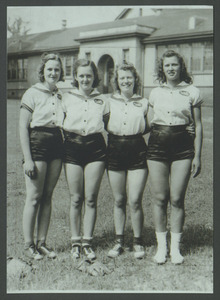
Four Members of the Dr. Peppers
The Dr. Peppers was a softball team in the Dallas Mills community. The team played from 1937 to 1943. Far right is Doris Layne Pike, the rest of the women are unknown. -
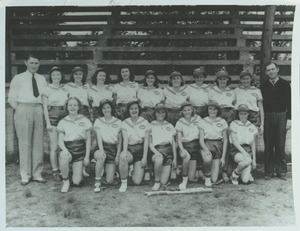
Dr. Peppers (Pepperettes) Fastpitch Softball Team, 1939.
The Dr. Peppers was a softball team in the Dallas Mills community. The team played from 1937 to 1943. Coach Cecil V. Fain on far right.
-
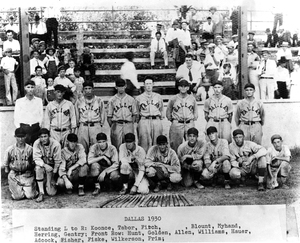
Dallas Baseball Team
The Dallas Manufacturing Company baseball team played for Dallas Mills. Their home field was at Dallas (Optimist) Park. -
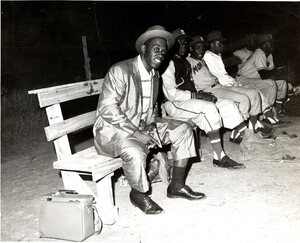
Negro League Baseball Players Ted Rasberry, Sam Allen, and Eugene Scruggs
The All-Star Negro League played exhibition games at Dallas (Optimist) Park throughout the early to mid-20th century. Since African Americans were not allowed to join the Major Leagues, many of them played for the Negro League.
-
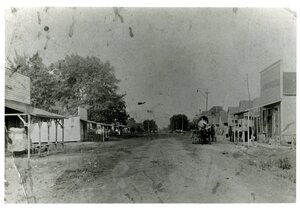
Lowe Mill Main Street
The village surrounding Lowe Mill in the early 1900s. It features several stores as well as a wide road, and a horse and buggy carriage. -
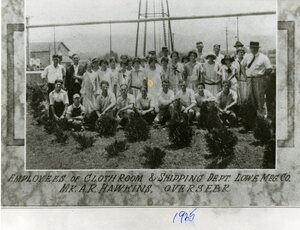
Lowe Mill Cloth Dept.
Lowe Mill relied heavily off of a water tower to maintain its production capabilities as a textile mill. The shipping and cloth room employees pose for a photo in front of the water tower in 1925. -
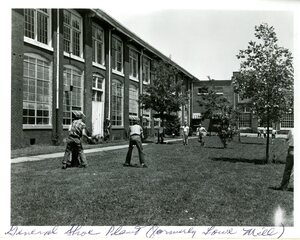
Genesco Baseball
Baseball was one of the many fun activities done between mill workers to promote bonds and community among them. Lowe Mill, later Genesco, a shoe plant as depicted here, was no exception to this. -
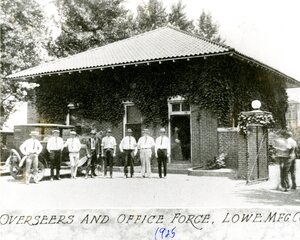
Lowe Mill Paymaster's Office
The paymaster's office was built in 1910 and was an addition to Lowe Mill to provide the office staff a place to work separately. This photo depicts several of the workers who would have used the office located just outside Lowe Mill. -
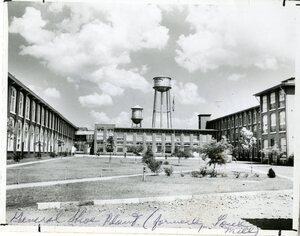
Behind Paymaster's Office at Lowe Mill
Lowe Mill was converted many times throughout its lifespan into different factories and storage facilities. This aerial view shows the changes made across the years. -
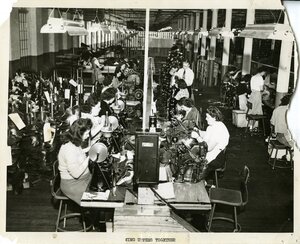
Lowe Mill Making Shoes
After Lowe Mill closed, it reopened as a shoe factory after the Great Depression. This photo depicts several of the workers making shoes that were used across the country. -
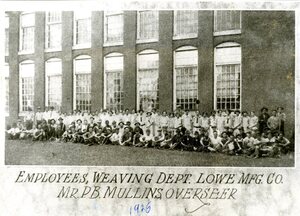
Lowe Mill Weaving Dept.
Lowe Mill featured a variety of departments in the 1920s and produced a variety of textiles. This photo, taken in 1925, highlights the Weaving department of the textile mill.